Human Biometric Analysis
Finger, Eye & Skin Detection
Uses MediaPipe to analyze human anatomy for incorrect finger counts, asymmetric eyes, unnatural skin texture, and other anatomical anomalies common in AI-generated faces.
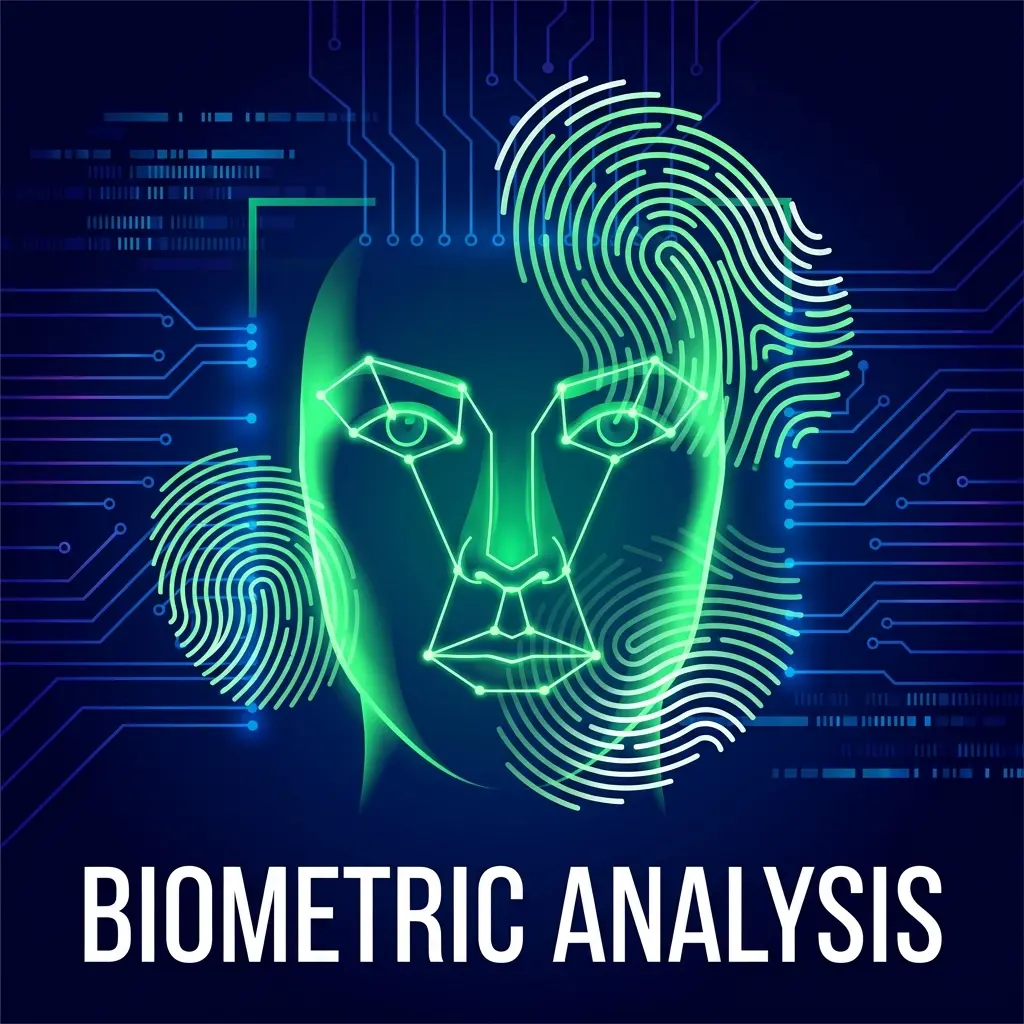
Cách hoạt động
AI image generators frequently struggle with human anatomy, especially hands and faces. Using MediaPipe machine learning, this detector counts fingers, measures eye symmetry, analyzes facial proportions, and examines skin texture patterns.
Fingers
Count all digits
Eyes
Check symmetry
Face
Analyze proportions
Skin
Texture analysis
Frequently Asked Questions
Why do AI images have wrong finger counts?
AI models learn hand appearance from training data without understanding that humans have exactly 5 fingers. They often generate 4, 6, or merged fingers because hands are complex and variable in photos.
How does eye symmetry detection work?
MediaPipe detects 468 facial landmarks and measures the ratio between eye sizes, positions, and angles. Real faces have natural asymmetry within specific ranges, while AI often creates unnaturally symmetric or asymmetric eyes.
Can this detect AI-generated portraits?
Yes, especially portraits with visible hands or multiple people. Even high-quality AI portraits often have subtle facial proportion errors or unnatural skin smoothness that this detector identifies.
What skin texture anomalies are detected?
The detector analyzes pore patterns, wrinkle consistency, and texture frequency. AI skin often lacks natural pore variation, has overly smooth areas, or shows repetitive texture patterns not found in real skin.
Does this work on cartoon-style images?
Biometric analysis is most effective on photorealistic images. Cartoon or stylized art intentionally deviates from human anatomy, so other detection methods are more suitable for those styles.
What facial proportions are checked?
The system measures eye-to-nose ratio, nose-to-mouth distance, face width proportions, and ear placement. AI often generates faces that look good at first glance but have proportions outside natural human ranges.
Is MediaPipe required for detection?
MediaPipe provides the best accuracy, but the system includes fallback methods using OpenCV Haar cascades when MediaPipe is unavailable. The fallback has reduced accuracy but still detects major anomalies.
How effective is this against DALL-E 3?
DALL-E 3 has significantly improved hand generation, but still makes errors in complex poses or multiple hands. The detector catches these remaining issues, though accuracy is lower than with older models.
What happens if no humans are in the image?
If no humans, hands, or faces are detected, this method returns a neutral score (0.5) and other detection methods carry more weight. The ensemble system automatically adjusts for content type.
How fast is biometric analysis?
MediaPipe is optimized for real-time processing. Full biometric analysis typically completes in 200-500ms on CPU, making it suitable for production use without significant latency.
Phương pháp liên quan
Phát hiện ML
Phát hiện học máy của chúng tôi sử dụng các mô hình transformer tiên tiến được đào tạo trên hàng triệu hình ảnh để phân biệt ảnh thực với nội dung do AI tạo ra.
Phân tích PRNU
PRNU phát hiện dấu vân tay cảm biến máy ảnh độc đáo từ lỗi sản xuất. Hình ảnh AI không thể sao chép các chữ ký cảm biến thực này.
Phân tích tần số
Phân tích miền tần số kiểm tra sự phân bố của các thành phần tần số cao và thấp trong hình ảnh. Hình ảnh AI thường thiếu nhiễu tần số cao tự nhiên có trong ảnh thực.
Phân tích gradient
Phân tích các mẫu cạnh và đặc điểm kết cấu sử dụng toán tử Sobel, Canny và Laplacian. Hình ảnh AI thường có gradient mượt hoặc đồng nhất không tự nhiên.
Mẫu nhiễu
Ảnh thực chứa các mẫu nhiễu độc đáo từ cảm biến máy ảnh. Hình ảnh AI có phân bố nhiễu đồng nhất không tự nhiên.
Phân tích siêu dữ liệu
Metadata hình ảnh chứa manh mối quý giá về nguồn gốc. Chúng tôi phân tích dữ liệu EXIF, chữ ký phần mềm để xác định công cụ tạo AI.
Dấu vân tay GAN
Phát hiện các artifact đặc trưng của GAN như mẫu bàn cờ, dải màu và bất thường phổ đặc trưng của mạng đối kháng tạo sinh.
Phân tích kết cấu
Phân tích Local Binary Pattern cho các bất thường kết cấu phổ biến trong hình ảnh AI. Đo lường độ đồng nhất, entropy và tính đồng nhất.
Phát hiện giải phẫu
Trình tạo hình ảnh AI thường tạo ra lỗi giải phẫu. Chúng tôi sử dụng thị giác máy tính để phát hiện những sai sót này.
Xác minh C2PA
C2PA là tiêu chuẩn công nghiệp để theo dõi nguồn gốc và lịch sử nội dung số thông qua chữ ký mã hóa.
Semantic Inconsistency Detection
Detects logical inconsistencies like incorrect shadows, impossible perspectives, distorted reflections, and violations of physical laws that AI often produces.
Lighting Physics Validation
Validates light source consistency, shadow direction physics, specular highlight accuracy, and color temperature uniformity across the image.
Compression Artifact Analysis
Analyzes JPEG compression artifacts to estimate quality levels and detect re-compression patterns that indicate image manipulation or AI generation.
Edge Sharpness Analysis
Analyzes sharpness distribution across the image and validates depth-of-field consistency. AI often produces unnaturally uniform sharpness.
Statistical Pattern Analysis
Analyzes statistical properties including Shannon entropy, histogram patterns, and Benford's Law compliance to detect synthetic image characteristics.
Chromatic Aberration Analysis
Detects the absence of chromatic aberration (color fringing) that real camera lenses produce. AI images lack these optical artifacts.
Micro-Texture Analysis
Analyzes microscopic texture patterns for repetition, uniformity, and unnatural randomness that AI generators often exhibit.
Color Palette Analysis
Analyzes color distribution including saturation levels, color diversity, and white balance consistency. AI images often have oversaturated colors.
Kiểm Tra Hình Ảnh Của Bạn
Tất cả phương pháp được kết hợp sử dụng điểm có trọng số để đưa ra phán quyết cuối cùng với mức độ tin cậy.
Thử Ngay